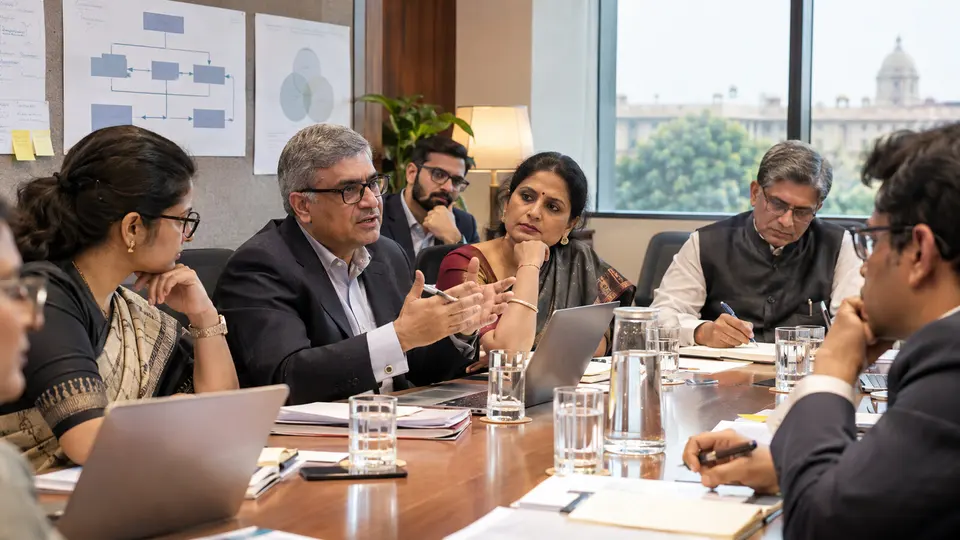
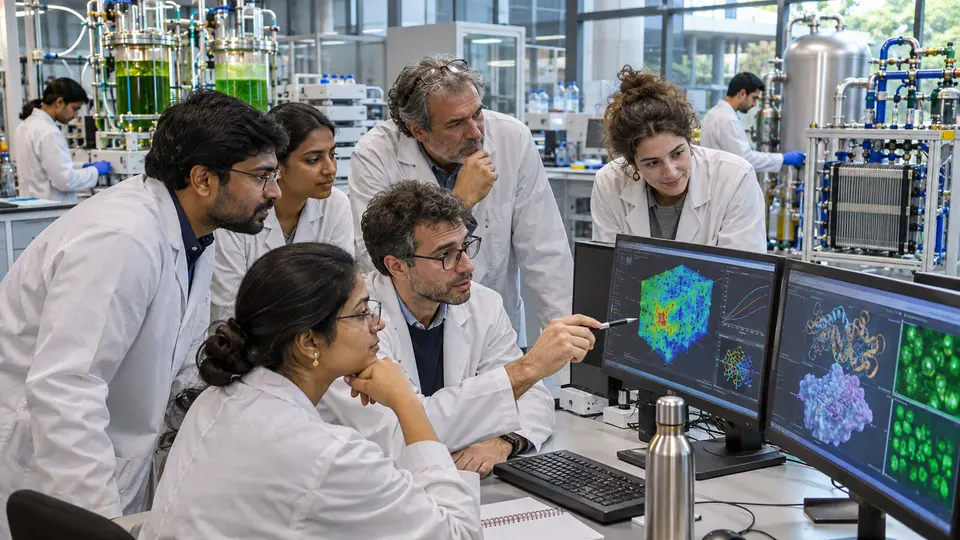
India and Italy are preparing a joint research call for 2027 focused on artificial intelligence, high-performance computing, clean energy and advanced biotechnology.
The proposed areas also include big data, hydrogen, renewable energy, energy transition, gene therapy, mRNA technology and biomanufacturing, according to India’s Department of Science and Technology.
The partnership is moving toward applied programmes
The two countries’ science relationship dates to a 1978 inter-governmental agreement, renewed in 2003. India and Italy elevated their broader relationship to a strategic partnership in 2023 and set out a joint action plan covering 2025 to 2029.
Current cooperation operates through the Indo-Italian Executive Programme of Cooperation. More than 150 joint projects have been implemented under that mechanism.
The 2025-27 programme provides joint funding for ten researcher-mobility proposals and ten significant-research proposals. A joint scientific council oversees implementation, while science and innovation dialogues connect government agencies, universities, research institutes and technology incubators.
The planned 2027 call could provide a new route for teams to combine Indian and Italian laboratory capabilities, specialist infrastructure and industrial partners. The strongest commercial opportunities are likely to emerge where research programmes include validation, manufacturing and adoption pathways from the start.
From research output to usable technology
Bilateral programmes can help early-stage teams reach equipment, datasets and expertise that would be costly to assemble independently. They can also expose prototypes to a second market and regulatory environment.
However, the announcement does not yet specify the size of the funding pool, eligibility rules, application dates or intellectual-property terms. Those details will determine whether startups and smaller institutions can participate alongside established research organisations.
Cross-border development also requires clear agreements covering data sharing, publication, patents, licensing and export controls. In biomedical and AI work, ethics and governance may shape project timelines as much as technical readiness.
The proposed call therefore establishes thematic priorities rather than confirmed awards. Its impact will depend on whether selected teams move beyond academic exchange and produce validated technologies, commercial partnerships or research infrastructure that remains useful after individual projects end.
Source: Department of Science and Technology via PIB, 13 November 2026.
This article is journalism and commentary. It is not a recommendation to buy or sell any security, and it is not professional advice. Read the full disclaimer.