India has launched a three-year programme to combine medicinal-plant conservation with community enterprises across 16 tribal hotspots in 13 states and Union territories.
The Ministry of Tribal Affairs and the CSIR–National Botanical Research Institute are leading the initiative, formally titled Integrated Conservation, Agro-Technology and Bioresource Enterprise Development for Sustainable Tribal Livelihoods.
From biodiversity records to local production
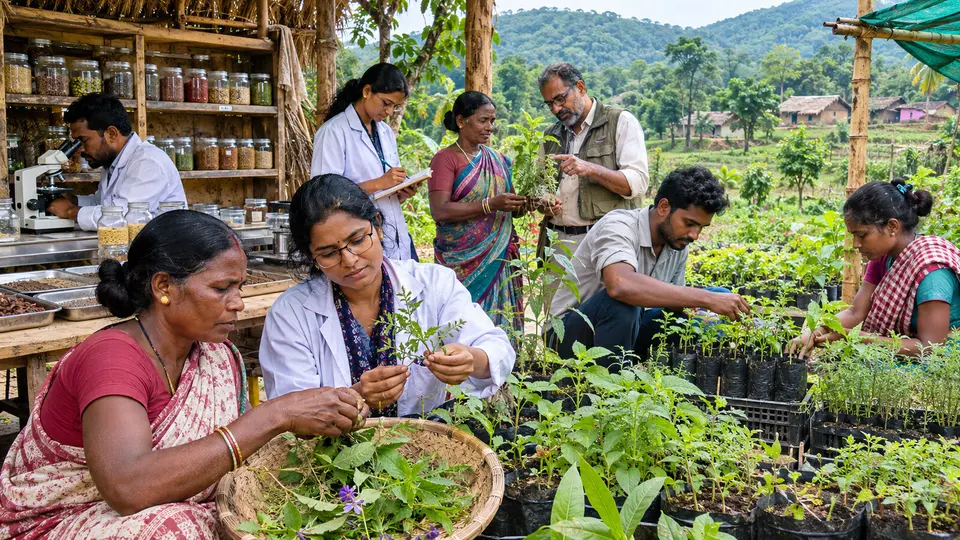
The project plans to document about 200 to 300 medicinal-plant species and scientifically propagate 30 to 40 rare, endangered or threatened species. It will establish 16 community nurseries and 16 seed banks and distribute between 40,000 and 50,000 quality planting materials.
The selected locations include districts in Andhra Pradesh, Assam, Chhattisgarh, Gujarat, Jharkhand, Karnataka, Kerala, Ladakh, Madhya Pradesh, Maharashtra, Odisha, Uttar Pradesh and Uttarakhand.
The innovation lies in connecting conservation science with a repeatable enterprise model. Community nurseries can provide verified planting material, while cultivation protocols and seed banks can reduce pressure on wild populations. Training in processing, quality control and market access could help farmers capture more value than they would from unorganised collection alone.
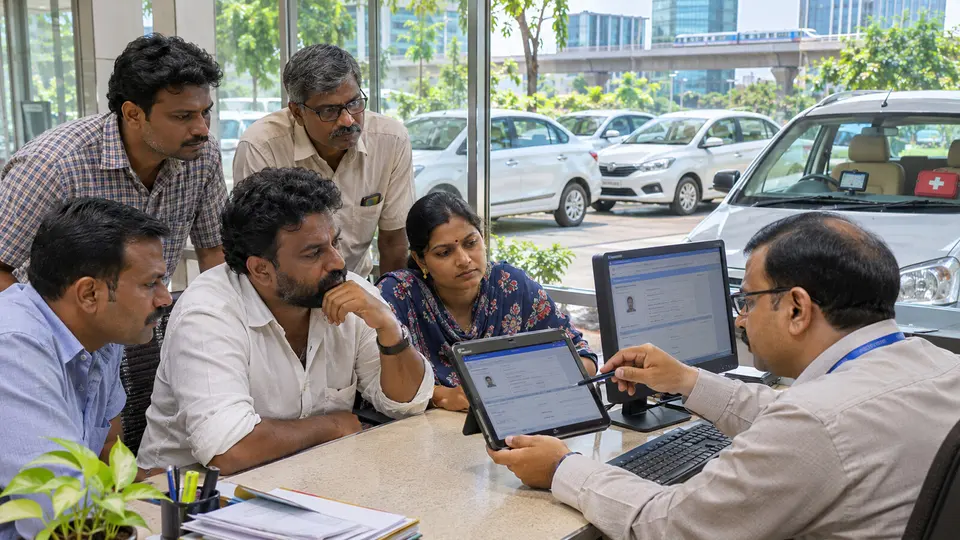
Early fieldwork in Sonbhadra, Uttar Pradesh, involved 146 traditional-knowledge holders across 12 villages. Researchers documented practices and collected about 200 medicinal and economically important plant samples, along with 25 live orchid samples for conservation and multiplication.
Commercial value needs safeguards
Turning traditional knowledge into products requires clear rules on consent, benefit sharing, biodiversity access and intellectual property. Scientific validation is also essential before plant-based materials are marketed with health claims.
The programme intends to link scientific institutions, Krishi Vigyan Kendras, Van Dhan Vikas Kendras, state tribal and forest departments and local communities. Women, rural youth, farmers and traditional healers are expected to participate in cultivation and value-chain development.
For emerging bioresource businesses, traceability and consistent quality will be important. Buyers need confidence in species identity, cultivation method, contamination controls and legal sourcing.
The initiative creates infrastructure for a distributed medicinal-plant economy rather than promising immediate commercial scale. Its success will depend on survival rates, enterprise revenue, documented community benefits and whether conservation goals remain central as markets develop.
Source: Ministry of Tribal Affairs via PIB, 12 November 2026.
This article is journalism and commentary. It is not a recommendation to buy or sell any security, and it is not professional advice. Read the full disclaimer.