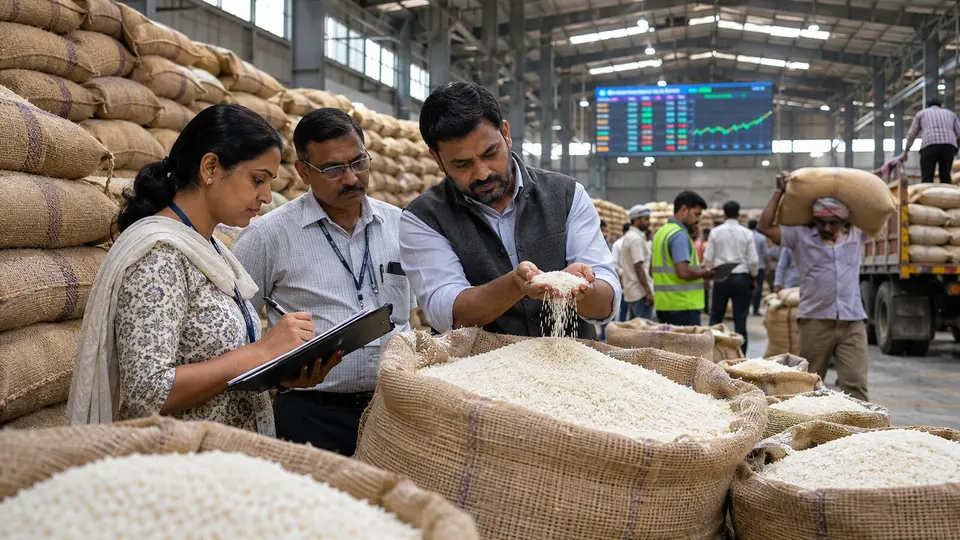
India has doubled its 2026–27 target for open-market rice sales to 50 lakh tonnes from 25 lakh tonnes, widening a supply intervention designed to improve availability and contain retail prices.
The Food and Public Distribution Department said 25 lakh tonnes had already been sold to private buyers through Open Market Sale Scheme auctions by 31 October. That compares with 11 lakh tonnes in the same period a year earlier.
Weekly stock disclosure becomes compulsory
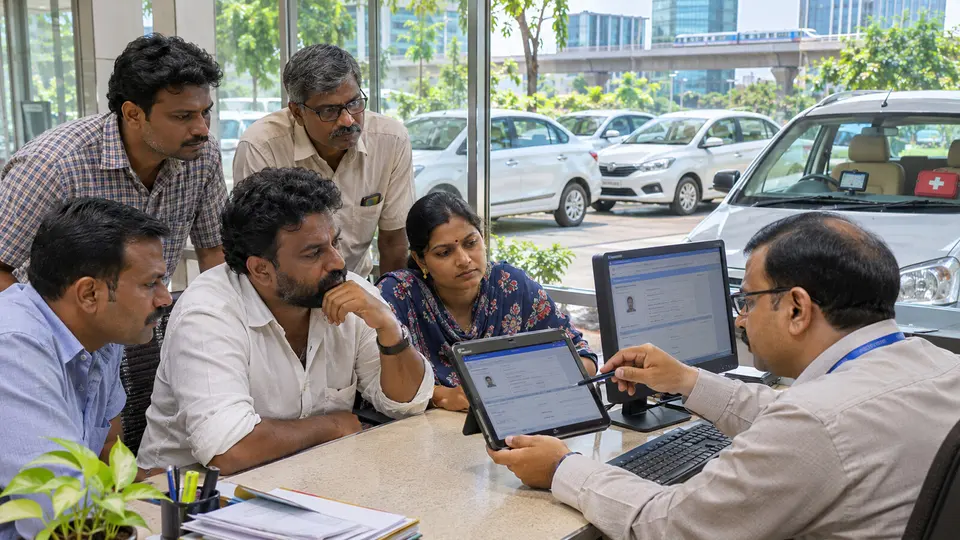
The intervention reaches beyond government auctions. Traders, wholesalers, retailers, large retail chains and processors or millers must disclose their rice and paddy stocks every Friday on the Food Stock Portal.
The reporting order separates stocks into six categories: basmati, premium non-basmati, other non-basmati, parboiled and broken rice, plus paddy. Entities that fail to register or breach applicable limits can face action under the Essential Commodities Act.
For the rice trade, compulsory weekly reporting increases regulatory visibility into inventories held between farms, mills and retail shelves. It may deter hoarding, but implementation quality will depend on the accuracy of declarations and the government’s ability to reconcile reported stocks with physical supply.
Southern states get room to impose limits
The Centre has also given Andhra Pradesh, Karnataka, Kerala, Tamil Nadu and Telangana concurrence to impose rice and paddy stock limits where necessary until 31 January 2027.
NAFED, NCCF and Kendriya Bhandar will receive additional Bharat Rice allocations and have been asked to broaden distribution, particularly in southern states. The policy therefore combines wholesale auctions, retail supply and tighter inventory monitoring.
The larger auction target is meaningful because the government has already reached the original 25-lakh-tonne goal. The next tests are the pace of additional tenders, buyer participation, state-level enforcement and whether consumer prices respond without disrupting normal procurement incentives for farmers and millers.
Source: Ministry of Consumer Affairs, Food and Public Distribution via PIB, 6 November 2026.
This article is journalism and commentary. It is not a recommendation to buy or sell any security, and it is not professional advice. Read the full disclaimer.