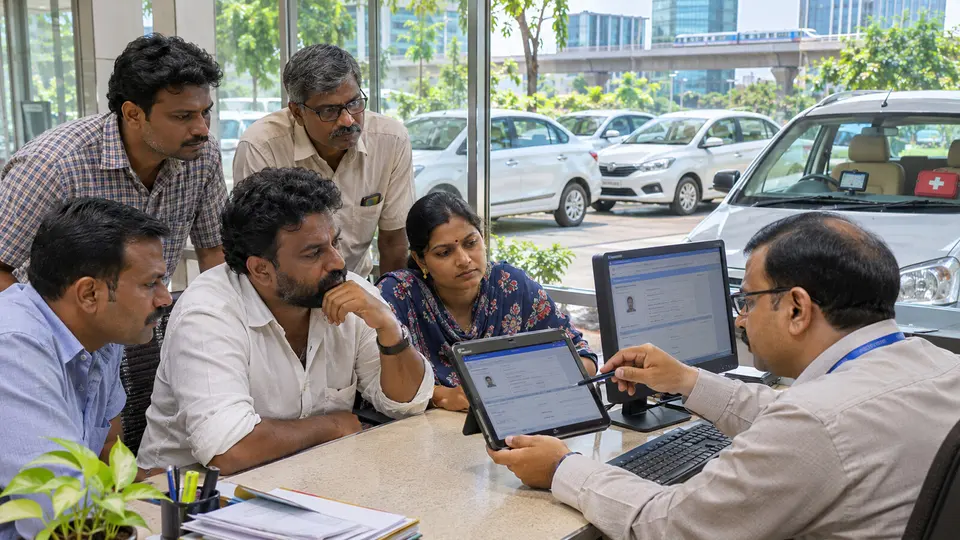
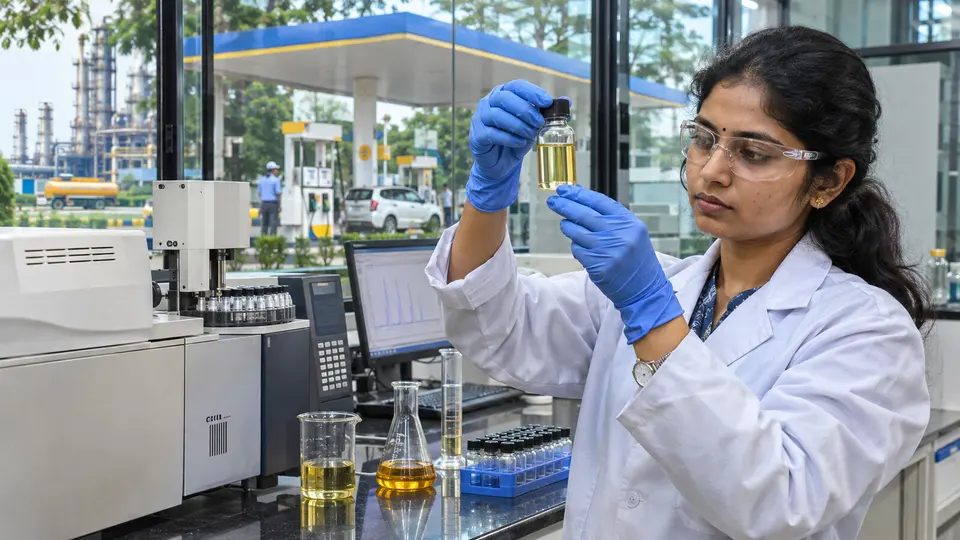
E20 petrol supplied by India’s three public-sector oil marketing companies met the prescribed ethanol-content standard in all 893 samples tested across 27 states and union territories, the Ministry of Petroleum and Natural Gas said on 7 November.
The Quality Coordination Cell exercise covered 330 samples from Indian Oil, 280 from Bharat Petroleum and 283 from Hindustan Petroleum depots and retail outlets. Refinery and oil-company laboratories tested the samples under Annex C of Indian Standard 17021. Every sample fell within the permitted 19–21% ethanol range.
Karnataka results also met the standard
The release followed a Karnataka government statement claiming that petrol at some retail outlets contained 26–31% ethanol. The ministry said all 56 samples tested in Karnataka through the oil-marketing-company quality programme contained 19–20% ethanol, with an average of 19.30%.
The three companies questioned whether the separate October exercise followed the sampling, retention and laboratory procedures required under the Motor Spirit and High Speed Diesel Control Order and the Marketing Discipline Guidelines. They said company representatives were not present when those samples were collected and that counterpart samples, complete outlet-level records and laboratory reports had not been supplied.
The companies also said certificates cited by Karnataka referred to gas chromatography without identifying the standard method, dilution procedure or reference material. Their preliminary assessment noted that the reported sample densities appeared inconsistent with the claimed higher ethanol concentrations.
What the dispute means for the sector
The immediate commercial issue is confidence in a nationwide blend that affects refiners, fuel retailers, ethanol suppliers and motorists. A quality dispute can only be resolved reliably if collection, chain of custody and testing are reproducible.
Indian Oil, Bharat Petroleum and Hindustan Petroleum have requested joint sampling and independent testing at an authorised laboratory using the prescribed referee method. They said any deviation confirmed through that process would be addressed under applicable rules.
For the ethanol-blending programme, the 893-sample result provides a broad compliance snapshot rather than a substitute for outlet-level enforcement. The next useful evidence will be the requested joint test of the disputed Karnataka locations and publication of the underlying methodology.
Source: Ministry of Petroleum and Natural Gas via PIB, 7 November 2026.
This article is journalism and commentary. It is not a recommendation to buy or sell any security, and it is not professional advice. Read the full disclaimer.