India’s Culture Ministry has started work on a common framework for connecting cultural institutions, creators and heritage assets with private investment, philanthropy and technology partners.
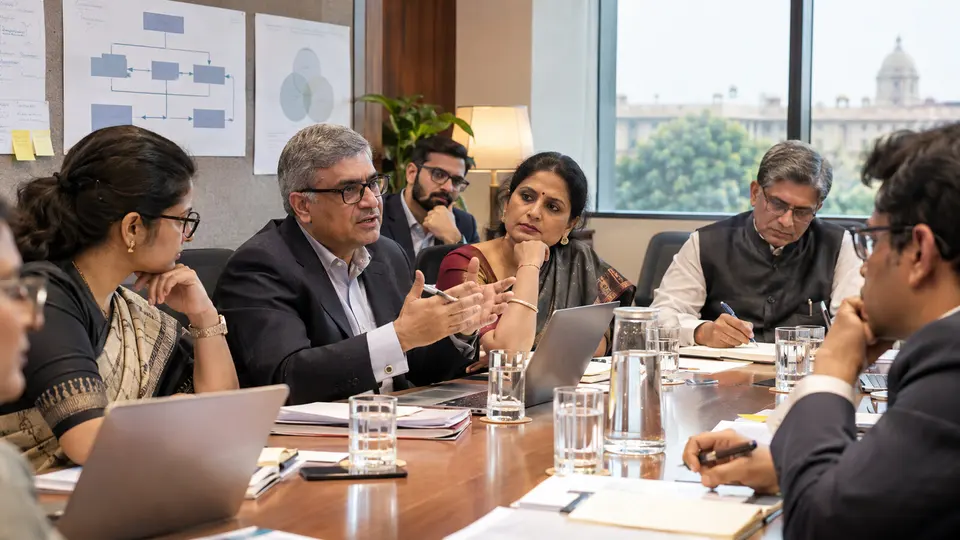
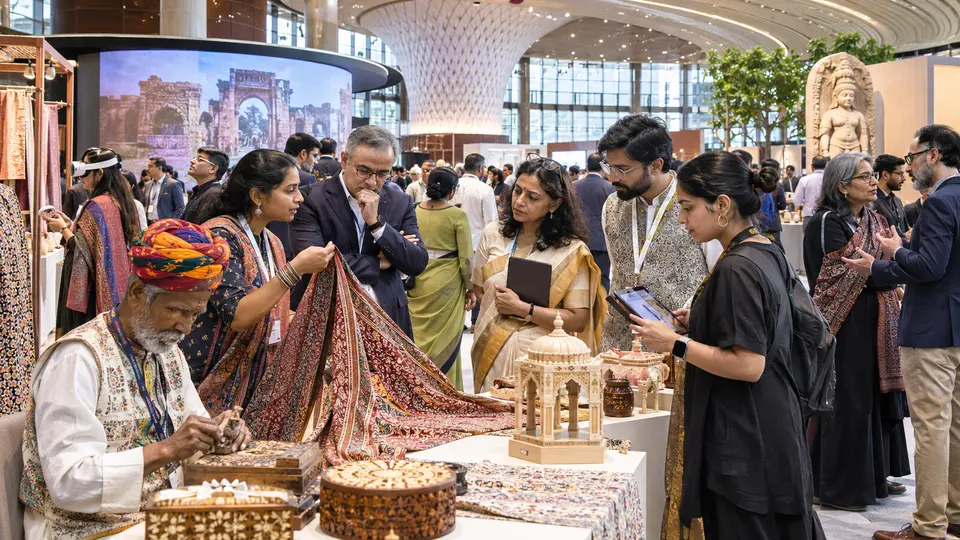
The initiative follows the “Creative India: Collective Possibilities” conference held in New Delhi on 13 November. The ministry said it wants measurable outcomes, simpler facilitation and structured routes for capital into culture.
Public cultural assets become an enterprise platform
The ministry oversees 43 organisations and a network that includes more than 3,600 protected monuments, museums, archives, academies and zonal cultural centres. It is presenting that network as public infrastructure for creative businesses rather than only as a collection of sites and institutions.
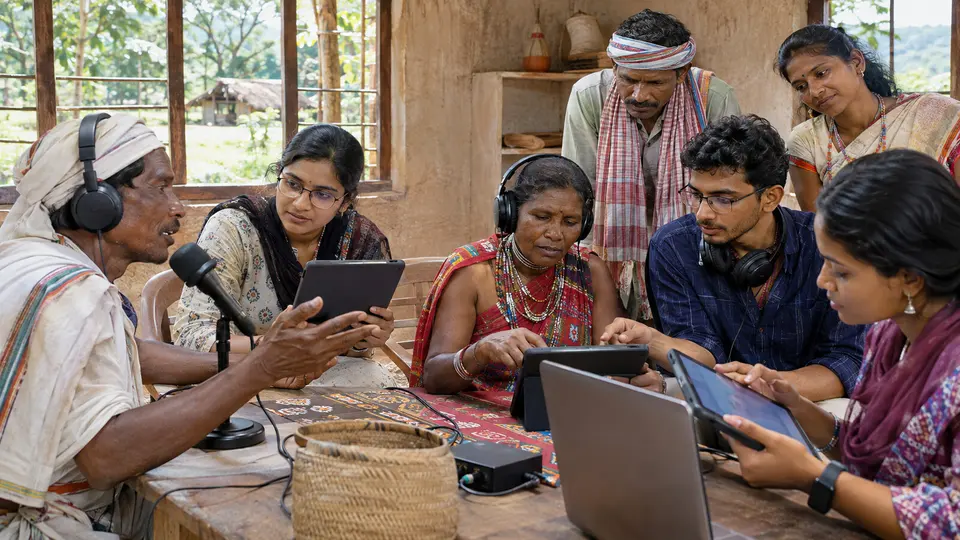
Potential business activity spans museum services, conservation, design, performance, festivals, cultural tourism, digital archives, crafts and technology-enabled audience experiences.
Existing partnership models offer an early base. The National Culture Fund has completed 66 projects with 39 partners since 1996, while the Adopt a Heritage programme engages partners at 66 monuments. A new agreement with Google Arts & Culture is intended to expand digital access to Indian heritage.
The conference sessions covered investment in culture, culture-led spaces, creative entrepreneurship, technology and communication. Participants included government institutions, investors, philanthropies, creators and international organisations.
Measurement and commercial structure are the next tests
Creative enterprises often combine commercial revenue with public or cultural value. A workable framework will need to distinguish sponsorship, philanthropy, concessions, licensing, procurement and direct investment, with clear responsibilities for maintenance and intellectual property.
Smaller creators also need access to finance and markets without losing control of their work. Transparent contracts, timely payments and fair attribution will matter as much as high-profile partnerships.
Measuring outcomes is another challenge. Visitor numbers alone do not show whether a programme creates stable income for artisans, strengthens local suppliers or builds exportable intellectual property.
The ministry’s new Creative Economy Division is intended to coordinate these relationships. The immediate outcome is a policy direction, not a funding commitment or project pipeline. Its value will depend on whether institutions turn broad collaboration into investable, accountable projects that generate durable livelihoods.
This article is journalism and commentary. It is not a recommendation to buy or sell any security, and it is not professional advice. Read the full disclaimer.